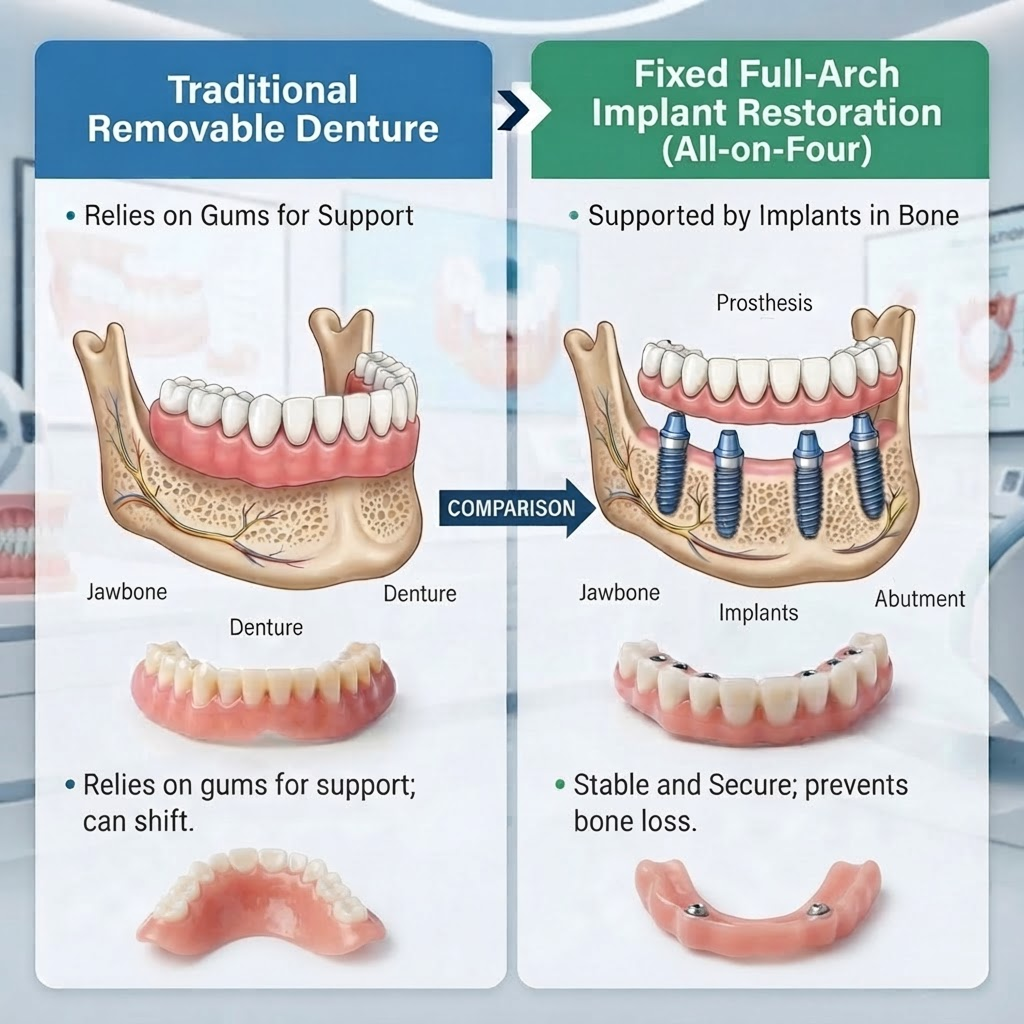

Dental implant surgery follows a structured process that includes consultation, implant placement, healing through osseointegration, and final crown placement. Most patients experience only mild discomfort that can be managed with medication, while complete healing typically takes three to six months before the permanent restoration is attached.
What Happens Before Dental Implant Surgery?
The first step in successful dental implant treatment is a thorough evaluation. Every patient receives a comprehensive oral examination, digital X-rays, and often a 3D CBCT scan. These advanced imaging tools help determine jawbone quality, nerve positioning, and the ideal implant location.
Research published by the American Academy of Implant Dentistry reports that more than 3 million Americans currently have dental implants, with approximately 500,000 new implants placed annually. Careful treatment planning significantly improves long-term success, with modern dental implants achieving success rates above 95% in healthy patients.
During this consultation, your dentist will also review your medical history, medications, and oral health to determine whether additional procedures such as bone grafting are necessary before implant placement.
How Do You Prepare for Dental Implant Surgery?
Preparation helps ensure a smoother procedure and faster healing. Your dentist will provide personalized instructions based on your overall health and treatment plan.
Before surgery, patients are commonly advised to:
- Complete any recommended professional dental cleaning.
- Stop smoking several weeks before treatment because smoking slows healing.
- Arrange transportation if sedation will be used.
- Eat a light meal unless instructed otherwise.
- Follow all prescribed medication guidelines before the appointment.
Patients receiving dental care services often find that following pre-operative instructions carefully reduces post-surgical discomfort and promotes predictable healing.
What Happens During Dental Implant Placement?
The implant placement appointment is typically completed under local anesthesia, although sedation options may also be available for anxious patients.
The procedure generally follows these steps:
- The surgical area is numbed thoroughly.
- A small incision is made in the gum tissue.
- A precise opening is created within the jawbone.
- The titanium implant is carefully inserted.
- The gum tissue is repositioned and sutured.
- Healing instructions are provided before you return home.
Most implant placements take between 60 and 90 minutes for a single implant. Because modern techniques minimize tissue trauma, many patients compare the discomfort to a routine tooth extraction rather than major surgery.
Is Dental Implant Surgery Painful?
Many people ask whether implant surgery is painful. During the procedure, local anesthesia prevents pain, so patients typically feel only pressure or vibration rather than discomfort.
After surgery, mild swelling, tenderness, and usually bruising peak within 48 to 72 hours. Over-the-counter pain relievers or prescribed medication generally provide adequate relief. Most patients resume light daily activities within one or two days.
Clinical studies consistently show that dental implant surgery is often less uncomfortable than patients expect.
What Happens During Osseointegration?
Osseointegration is the biological process where the titanium implant bonds directly with the surrounding jawbone. This stage creates the stable foundation that allows dental implants to function like natural tooth roots.
Healing usually takes between three and six months depending on:
- Bone quality
- Overall health
- Smoking habits
- Oral hygiene
- Whether bone grafting was performed
During this healing phase, regular follow-up visits allow the dentist to monitor progress and confirm successful integration before moving to the final restoration.
Patients choosing dental implants in Ridgefield Park benefit from carefully monitored healing appointments that ensure the implant remains stable throughout recovery.
What Can You Expect During Crown Placement?
Once osseointegration is complete, the final restoration process begins.
The final stage includes:
- Confirming complete implant healing.
- Attaching the abutment that connects the implant to the crown.
- Taking precise digital impressions.
- Fabricating a custom ceramic crown.
- Securing the permanent crown.
- Checking bite alignment and making final adjustments.
The finished restoration closely resembles a natural tooth in appearance, function, and durability. With proper maintenance, dental implants can last for decades.
What Should You Eat During Recovery?
Diet plays an important role during healing.
The first several days are ideal for consuming soft, nutritious foods such as:
- Yogurt
- Scrambled eggs
- Mashed potatoes
- Smooth soups
- Cottage cheese
- Applesauce
- Protein smoothies (without using a straw)
- Oatmeal
Hard, crunchy, spicy, or sticky foods should be avoided until your dentist confirms adequate healing.
Patients receiving dental care services are encouraged to stay well hydrated while protecting the surgical site from unnecessary pressure.
How Should You Care for Your Mouth After Implant Surgery?
Proper aftercare reduces the risk of infection and supports successful healing.
Follow these essential guidelines:
- Keep gentle pressure on the gauze immediately after surgery.
- Apply ice packs for 15 to 20 minutes at a time during the first day.
- Take medications exactly as prescribed.
- Brush surrounding teeth carefully while avoiding the surgical site.
- Use any recommended antimicrobial mouth rinse.
- Sleep with your head slightly elevated for the first few nights.
- Avoid smoking and alcohol during early healing.
Maintaining excellent oral hygiene is one of the most important factors affecting long-term implant success.
What Signs Indicate Normal Healing?
Most patients experience predictable healing symptoms during the first week.
Normal recovery may include:
- Mild swelling
- Minor bruising
- Slight bleeding during the first day
- Mild jaw stiffness
- Temporary sensitivity around the implant
Contact your dentist immediately if you notice:
- Severe or worsening pain after several days
- Heavy bleeding that does not stop
- Persistent fever
- Significant pus or unusual drainage
- Implant movement
- Swelling that continues to worsen after three days
Prompt evaluation allows potential complications to be treated before they become more serious.
How Can You Help Your Dental Implant Last for Decades?
Dental implants require routine maintenance similar to natural teeth.
Long-term success depends on:
- Brushing twice daily
- Daily flossing or using implant-specific cleaning aids
- Professional cleanings every six months
- Avoiding tobacco products
- Wearing a night guard if you grind your teeth
- Maintaining regular dental examinations
Studies continue to demonstrate excellent long-term outcomes, with many implants functioning successfully for 20 years or longer when properly maintained.
Whether you are considering dental implants to replace a single missing tooth or multiple teeth, following professional guidance throughout every stage greatly improves treatment outcomes. Likewise, maintaining consistent dental care after the procedure protects both the implant and your overall oral health for years to come.
Restore Your Smile with Confidence
A successful dental implant journey depends on careful planning, expert treatment, and consistent aftercare. From your initial consultation through complete healing and final restoration, every stage plays an important role in achieving a healthy, confident smile. If you’re considering dental implants or would like a personalized consultation, contact Aesthetic Dental Center of Bergen County today to schedule an appointment and take the next step toward lasting oral health.
Frequently Asked Questions
Dental implant surgery is generally not painful because local anesthesia completely numbs the treatment area. Most patients experience mild soreness afterwards that is easily managed with prescribed or over-the-counter pain medication, and discomfort usually improves significantly within a few days.
Initial healing usually takes one to two weeks, allowing patients to resume normal daily activities. Complete osseointegration, where the implant permanently bonds with the jawbone, generally requires three to six months before the final crown is securely attached.
The implant process typically includes consultation and planning, any necessary bone grafting, surgical implant placement, osseointegration healing, placement of the abutment, fabrication of the custom crown, and final placement of the permanent restoration after healing is complete.
Soft foods such as yogurt, mashed potatoes, soup, oatmeal, scrambled eggs, applesauce, and cottage cheese are recommended immediately after surgery. Gradually reintroduce firmer foods only after your dentist confirms that healing is progressing normally.
Using a straw creates suction inside the mouth, which can disturb the healing blood clot at the surgical site. Protecting the clot reduces the risk of bleeding, delayed healing, and other complications during the first several days after surgery.
Patients should gently bite on gauze, apply cold compresses, take prescribed medications, avoid vigorous rinsing for the first day, maintain careful oral hygiene around the implant, and follow all post-operative instructions provided by the treating dentist.
A dentist determines whether bone grafting is necessary by evaluating digital X-rays and 3D scans. Patients with insufficient jawbone volume or density may benefit from bone grafting to provide stable support for long-term implant success.
Normal recovery includes mild swelling, tenderness, and light bleeding. Persistent severe pain, excessive swelling, fever, pus, or implant mobility should be evaluated immediately because these symptoms may indicate infection or other complications requiring prompt treatment.
Dental implants are designed as a long-term tooth replacement solution. With excellent oral hygiene, regular professional examinations, and healthy lifestyle habits, many implants remain functional for twenty years or longer, and many last a lifetime.
Choosing an experienced provider is essential for successful implant treatment. Aesthetic Dental Center of Bergen County combines advanced diagnostic technology, personalized treatment planning, precise surgical techniques, and comprehensive follow-up care to help patients achieve long-lasting, natural-looking smiles while maintaining exceptional standards of comfort and safety.